Zen and the Art of Owning those Curves
· engineering-management, motorcycles
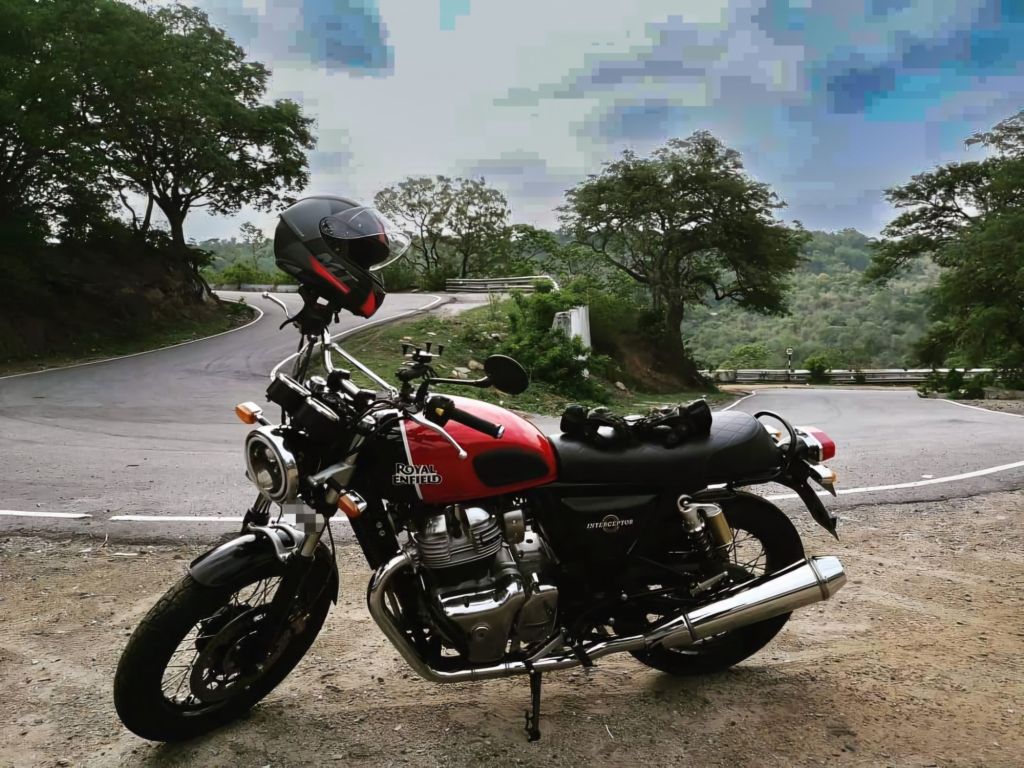
This is an old photo from Anchetty - heavily recommend if you're in Bangalore.
I'm on a long ride enjoying the breathtaking Konkan roads thanks to advice and admonishment from Mahesh. I've learnt a lot about motorcycles and about work from him. He's probably learnt a lot of choice expletives from me.
Today's ride was magical. And as I'm relaxing in the cool of the evening, reflecting on it all, here are some thoughts about, well running software projects of all things. If it comes across as off putting and pedantic, maybe imagine this is me speaking to myself.
Also, go read the book. It's one of the best out there. A philosophical masterpiece IMO. This post is more practical and everyday stuff in comparison.
Riding a motorcycle can be pure pleasure. The rush of the wind, the hum of the engine, the seamless flow of leaning into a turn. It’s the kind of experience that pulls you into a flow state. Parts of the world come into freakishly sharp focus, other parts fade out. And time slows deliciously.
It's also possible to ride another way: devoid of any of the above warmfeely things. But that sucks the joy out of life and you're probably better off staying home or taking the bus.
So. Motorcycling for joy it is. But motorcycling isn’t just about the joy of the ride. One also masters practical and philosophical things like balance, timing, and control. You don’t ride to learn these things; they come to you as you practice, as naturally as the rhythm of the road.
Go ride a motorcycle. Enjoy the ride, find the flow, and along the way, you will become more content and might just internalize a bit of wisdom too.
---
Countersteering: Push Right to Go Left
When you first learn to ride, countersteering is one of the strangest sensations. To turn left, you push the handlebar to the right. 🥴 It defies instinct, but once you feel it click, it’s second nature. The bike obeys physics, not emotion.
Some of the most effective moves feel unnatural at first: slowing down to speed up, delegating control, saying no to stakeholders. These decisions might feel counterproductive, but with experience, you realize they’re what keep things balanced and on track.
The beauty of countersteering is that you don’t need to overthink it. Practice enough, and your instincts take over. The same is true for managing complexity - once you’ve felt it, you’ll know what works.
---
Leaning: Two Ways to Take the Curve
Every curve offers a choice. You can lean into it, throwing your weight into the motion of the bike. Or you can lean away, staying upright and letting the bike do the tilting. Both seemingly completely opposite techniques. And they do work, but the right one depends on the terrain and your style.
Some situations require you to lean in, fully committing to a clear plan and riding the momentum. Others - more complex, more uncertain, bumpy - require you to lean away. Stay flexible, give yourself room to adjust, and navigate the unknowns as they come.
Make a choice and have confidence in your choice. Pick your approach based on what lies ahead, and trust it to carry you through.
---
Throttle Control: Roll On to Stabilize
Here’s a paradox every rider learns quickly: in the middle of a turn, rolling off the throttle destabilizes the bike. To stay steady, you gently roll on(gently keep increasing speed), even when it feels counterintuitive. The only time to slow down is before the turn begins. Once you’re in it, commitment keeps you upright.
If you’ve planned badly or entered the curve too fast, there’s no shame in slowing down beforehand. But once the project is in motion, sudden overcorrections can create instability. Steady progress, even small steps, is often the best way forward.
Sometimes, you realize too late that the curve isn’t going as planned. That’s okay. Slow down, ride it out, and aim to regroup for the next one. Riding isn’t about perfection; it’s about staying upright and learning with each turn. And mainly, having fun.
---
Keep Your Eyes on the Exit
Where you look is where you go. Simple as. Fixate on the ground directly in front of you, and you’ll wobble or overcorrect. Look ahead toward the exit of the curve and the bike follows naturally. It’s one of the simplest and most effective lessons you can internalize.
It’s tempting to fixate on immediate challenges: bugs, deadlines, stakeholder demands. But focusing too much on the present can derail the entire effort. Keep your eyes on the goal. Define it early, communicate it clearly, and trust the team to handle the details.
The ride smooths out when you look ahead, not down.
Aside: for unreasonable change requests, check out Marvin. You may or may not get fired as a result of using it: https://github.com/keltrycroft/marvin
---
Braking: Less is More
Braking is about finesse. Grab the brakes too hard mid-turn, and you’ll upset the bike’s balance. The best riders brake early, easing off before the curve so they can enter it smoothly. Once in the turn, braking is minimal, just enough to keep control without disrupting the flow.
Rushed decisions, drastic scope cuts, or micromanaging often cause more problems than they solve. Good management, like good riding, is about applying just enough pressure at the right time to keep things steady.
Know when to brake, and more importantly, know when to let the momentum carry you through.
---
Ride for the Flow, Stay for the Wisdom
Motorcycling teaches you balance, timing, and focus - not because you’re looking for lessons, but because the bike demands them. The best practices aren’t things you impose; they’re instincts you develop through experience, as naturally as countersteering through a curve.
Go ride. Find that flow and get lost in it.
Comments
Loading…