Departure Songs by We Lost the Sea: a little tribute
· dialog-with-the-universe, music
It was the first day of the COVID lockdown, back in 2020. The world had come to a standstill, suspended in uncertainty. We didn’t know much about how it spread, the symptoms, what the future would hold, but we knew we were facing an unprecedented calamity. Anxiety hung in the air like an unshakable fog. People were going to die, and society was being reshaped perhaps forever. Sitting on the garden steps at home, feeling puzzled at the absence of the usual hum of the city, I felt the weight of anxiety pressing down, my mind restless and unquiet.
In the midst of that chaos, I stumbled upon Departure Songs by We Lost the Sea on Bandcamp. I don't remember what led me to this album, maybe it was just some hashtag or something else in the algorithm, but it quickly became something far greater. I pressed play, and the world slowly shifted and settled somewhere. The unease didn’t vanish, but it found a rhythm, and my wild wandering eyes found a place to rest. The album spoke to me in a way few things ever have. It was more than music, it was a lifeline I much needed, a connection to something profound and infinite at a time when everything else felt fragile and finite.
The album itself is not just music in the ordinary sense of the word. It’s a receptacle created with infinite care, each song carrying stories of courage, loss, and the delicate threads that bind us to each other and to the infinite.
Farewells Carried by Sound
Every track is a world unto itself, a hymn to lives lived on the brink of something vast and unknowable. A Gallant Gentleman takes you to the frozen, scary Antarctic, where Lawrence Oates stepped into the storm, saying only, “I am just going outside and may be some time.” It is a story of a massive quiet act of surrender, an act of infinite care towards his crew mates. The song tells the story without any words, the complex emotional tapestry is woven into every passage. Listening in to the rise and fall of sonic drama, you feel the weight of what it means to give everything.
My COVID anxiety was finding strange comfort: this wasn't happening to me, but I was part of the world facing a grave problem. I'm gonna die changed to maybe I won't see the other side of the calamity, but Nature will thrive again.
Then there’s The Last Dive of David Shaw, a harrowing tribute to the Australian cave diver who descended into the depths of the sinkhole to recover the body of another diver and lost his own life in the attempt. The track moves with the inevitability of the dive itself, starting slow and deliberate, like breaths drawn through a regulator, each one echoing in the dark. The guitars ripple like water disturbed, while the drums pulse with the quiet dread of plunging deeper into the unknown. And then, in the track’s final, shattering moments, the music erupts, capturing the tension between the nobility of his mission and the devastating finality of its cost. This track is a meditation on the lengths we go for compassion, and the fragile line between bravery and tragedy. The last note feels like a held breath finally exhaled, leaving you with silence as heavy as the depths Shaw explored.
Bogatyri is a tribute to the men who walked into the radioactive abyss of Chernobyl to save millions. The song moves like a slow procession, unyielding and deliberate. There is no fanfare here, only the quiet dignity of those who choose to act, not because they must, but because they can.
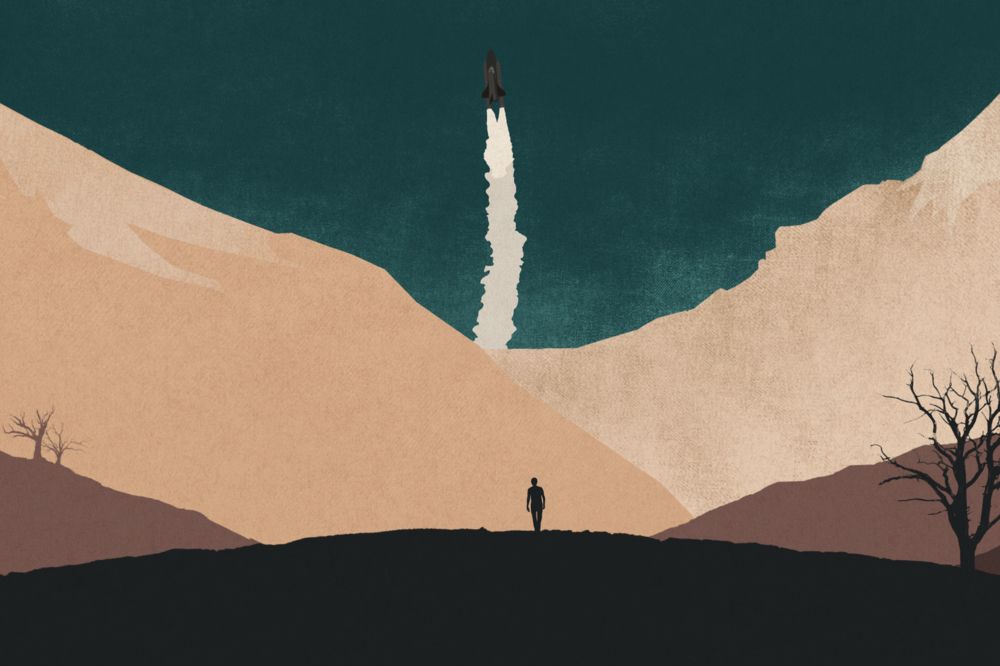
The album ends with two tracks, called Challenger Part 1 and Part 2, a requiem for the seven astronauts who reached for the stars and fell back to Earth. The music soars with boundless hope, a launch into the infinite, only to break apart in a rain of chords and silence. It is both devastating and beautiful, a reminder that even in failure, there is grandeur. Weaving in Ronald Reagan's tribute in his address to the nation situates the collective grief and salute to the heroes of the story.
The Sound of Memory
This album is not music for passive listening. It demands you, your attention, your stillness, your willingness to be broken open. It asks questions that linger long after the last note fades: What would you sacrifice? What would you leave behind? And for whom? These are not easy questions, but the album doesn’t seek to answer them for you. It only opens the door and lets you step through.
Yet, for all its weight, Departure Songs is not without light. There is beauty in its sorrow, a celebration within its grief. It holds you in its contradictions, the ache and the awe, the endings that are beginnings, the quiet resilience of those who move forward even when all seems lost. The stories enfold you in a comforting embrace of shared grief. Grief as personal as the raw memories of the dear departed, but also technically the same feeling of loss and a clear marker of the human condition.
The Care in Every Detail
I’ve always been captivated by things made with infinite care. There is something profound about art that feels deeply considered, where every piece exists for a reason, where every detail hums with intention. Departure Songs is such a creation. The band’s care for the stories and the heroes in them goes far beyond the music. They created stunning digital artwork for each track, a visual reflection of the narrative depth of the album. You can explore this incredible work here. It’s a rare synergy of sound and image, each enriching the other.
A place of comfort
If you have not yet heard Departure Songs, I envy you. There is a singular joy in hearing it for the first time, in letting it carry you into its vast, aching landscapes. But do not approach it lightly. Wait for the quiet moments, for when the world recedes and you can truly listen. This is not music to consume; it is music to be consumed by.
And when it leaves you, as all music must, it will linger, in echoes and whispers, in the quiet, terrible language of the infinite. For me, this album lies waiting for me to hit play and get lost, as I've done probably a few hundred times now.
Comments
Loading…